Embarking on a home renovation in Kaysville is an exciting journey. You have a vision for a more functional kitchen, a luxurious primary suite, or a finished basement that finally gives you the extra space you need. You’ve pored over design magazines, saved countless ideas on Pinterest, and you’re ready to start. But before the first nail is hammered, there’s a crucial step that can make or break your project: obtaining the right building permits.
At Quality First Construction, we know that the world of permits and building codes can seem daunting. As your local remodeling partner, we consider ourselves experts not only in construction but also in navigating this essential process. This guide is designed to demystify the permitting process in Kaysville and Davis County, explaining why permits are necessary, what projects require them, and how they ultimately protect your investment and your family’s safety.
Why Permits Are Not a Bureaucratic Burden
Many homeowners are tempted to skip the permit process, viewing it as an unnecessary hurdle of time and money. However, this is a significant and costly mistake. Permits are a homeowner’s most important form of protection, ensuring your project meets a host of critical standards.
1. Safety & Structural Integrity: Building codes exist to ensure a structure is safe for its occupants. A permit and the subsequent inspections guarantee that your renovation—whether it’s a new load-bearing wall, a deck, or a basement finish—is structurally sound and will not compromise the safety of your home. It’s about protecting against fire hazards, electrical shorts, and structural failures.
2. Legal Compliance & Home Value: Unpermitted work can create major problems down the road. If you decide to sell your home, a title search or home inspection can reveal unpermitted work, potentially derailing the sale. Most buyers and their lenders will not accept a home with unpermitted additions. In Utah, unpermitted work can also be subject to fines, forced removal, and legal action. The peace of mind that comes from knowing your home is fully compliant and insurable is invaluable. A home with a history of permitted and inspected work is far more valuable and marketable.
3. Insurance Protection: Homeowner’s insurance policies are often void for damage resulting from unpermitted work. For example, if an unpermitted electrical job leads to a fire, your insurance company may deny the claim, leaving you with the entire financial burden of rebuilding.
What Projects Require a Permit in Kaysville, UT?
As a general rule of thumb, if your project involves a change to the building’s structure or its major systems (electrical, plumbing, or mechanical), it almost certainly requires a permit. Here’s a detailed breakdown of projects that require a permit, according to the Kaysville City Building Department and general Utah guidelines:
- Room Additions: Any expansion of your home’s footprint, including new bedrooms, sunrooms, or an entire new wing, requires a permit. This is because it impacts the home’s structure, foundation, and utilities.
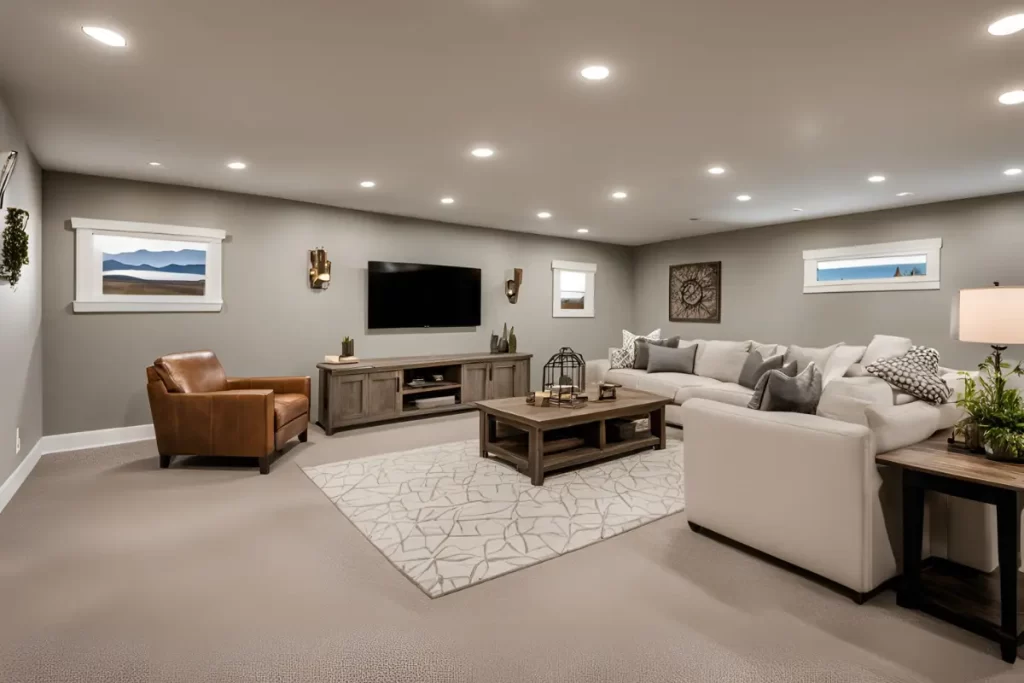
- Basement Finishes: Finishing a previously unfinished basement is a major renovation that requires a permit. This includes the addition of new walls, bedrooms, bathrooms, electrical wiring, or plumbing. According to the City of Kaysville Building Permit Fees schedule, a basement finish or remodel has a specific fee, recognizing its complexity.
- Structural Alterations: This includes moving, removing, or adding interior load-bearing walls. A structural engineer’s wet-stamped calculations are often required to ensure the load is properly supported.
- Decks & Covered Patios: A building permit is required for any new deck or covered patio. This is especially true for decks over 30 inches above grade and those attached to the house. The permit ensures the deck is built to safely handle the weight of people and furniture and is securely fastened to the home.
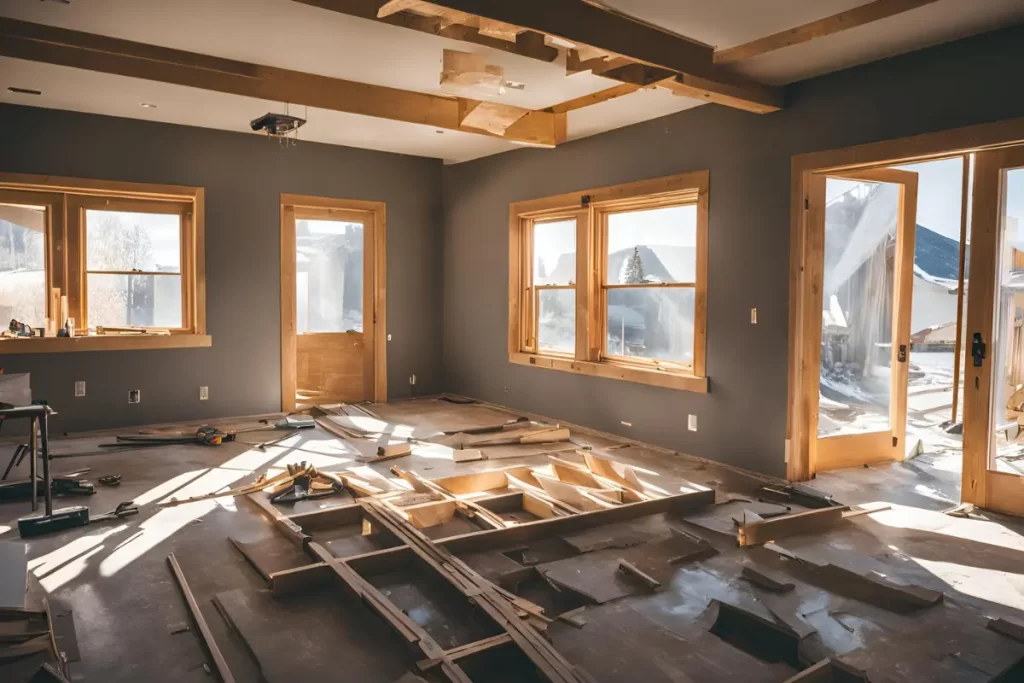
- Major Remodels: Projects like a kitchen or bathroom remodel that involve moving walls, re-routing plumbing lines, or adding new electrical circuits require a permit. Cosmetic changes like painting, new flooring, or replacing a cabinet in the same location typically do not.
- Plumbing, Mechanical, and Electrical Work: Permits are needed for the installation or replacement of water heaters, furnaces, air conditioners, and any new electrical wiring or circuits.
- Detached Structures: Any detached garage, shed, or accessory building that is over 200 square feet in floor area requires a building permit in Kaysville.
- Roofing: Even a re-roofing project requires a permit, as it needs to be inspected to ensure the correct materials and installation methods are used to withstand local snow and wind loads. The City of Kaysville website lists a specific permit and inspection requirements for roofing.
The Kaysville Permitting Process: Step-by-Step
While the process can seem complex, it is logical and designed to protect everyone involved. As your contractor, Quality First Construction handles this for you, but understanding the steps provides peace of mind.
Step 1: The Application & Plan Review. After the project is designed and all blueprints are finalized, we prepare and submit a detailed building permit application to the Kaysville City Building Department. This packet generally includes:
- Two sets of scaled plans showing the scope of the work.
- Site plan showing the location of the home and the new addition/structure.
- Engineering calculations for structural components, often wet-stamped by a licensed engineer.
- Completed application form with all contractor and owner information.
The city then conducts a plan check, which can take approximately 3 to 4 weeks. They review the plans for compliance with all local and state building codes.
Step 2: Permit Fee & Issuance. Once the plans are approved, we pay the required permit fees. The fees vary based on the project’s valuation and scope. For example, a new single-family dwelling can have permit fees of approximately $12,000, which includes building fees, impact fees, and more. A remodel or basement finish has a lower, dedicated fee. A construction bond of $500 is often required for additions and remodels, which is refundable upon final inspection.
Step 3: The Inspection Process. This is the most critical part of the process. As construction progresses, city inspectors will come to the site at various milestones to verify that the work is being done correctly and according to the approved plans. The inspections ensure everything is up to code before the next phase of construction begins. Common inspections include:
- Footings/Foundation Inspection: Verifying the foundation is dug to the correct depth and is properly reinforced before concrete is poured.
- Framing/Rough-In Inspection: Inspecting the structural framing, as well as the initial (rough-in) plumbing, electrical, and mechanical systems before they are covered by drywall.
- Insulation Inspection: Ensuring the proper insulation R-values and vapor barriers are installed for energy efficiency and to meet code.
- Final Inspection: This is the last step. The inspector verifies that all work is complete and to code before issuing the final occupancy permit.
The Cost and Value of the Permitting Process
Permit fees in Davis County are a necessary part of the project budget. They are determined by the project’s valuation, as outlined in the Davis County Building Permit Fee Schedule. For instance, a small remodel might fall into a lower valuation bracket with a set fee, while a large addition will have a fee that is a percentage of its total value. While these fees add to the cost, they are a small price to pay for the protection and value they provide.
- ROI: Paying for a permit is an investment. While the permit fee itself doesn’t offer a direct ROI, the permitted, legal work it covers does. A kitchen remodel, for example, can recoup over 60% of its cost, while a bathroom can recoup a similar amount. The value of this work is only fully realized when it’s legally sound and documented.
Why Choose Quality First Construction for Your Permitted Project?
As your general contractor in Kaysville, we handle the entire permitting process on your behalf, so you don’t have to worry about a thing.
- Local Expertise: We have a strong, working relationship with the Kaysville City Building Department. We understand the specific requirements, from local seismic and snow load design criteria to the nuances of their application and inspection process.
- Stress-Free Management: We take the burden of paperwork, plan submission, and inspection scheduling off your shoulders, allowing you to focus on the exciting aspects of your renovation.
- Guaranteed Compliance: We ensure every aspect of your project is built to code, protecting your investment and your family’s safety.
FAQs about Permits in Kaysville, UT
What happens if I don’t get a permit for a project that requires one?
The consequences can be severe. If the city becomes aware of unpermitted work, they can issue a “Stop Work Order,” requiring you to halt construction immediately. You may face fines, and you will be forced to apply for a permit and bring the work up to code, which often means tearing out completed work for inspection. In some cases, you could be required to completely remove the new construction.
Can I get a permit as a homeowner without a contractor?
Yes, in Utah, a homeowner can act as their own general contractor for their primary residence. However, you will be personally responsible for all aspects of the project, including a full understanding of all building codes, zoning ordinances, and the permitting process. You are also liable for any accidents that occur on your property. This is why it’s crucial to verify the license of any contractor you consider hiring through the Utah Division of Professional Licensing (DOPL) database. This is a vital step in protecting your investment and ensuring quality work.
Is there any work that does NOT require a permit?
Yes. Generally, minor cosmetic changes do not require a permit. This includes painting, wallpapering, replacing flooring (without altering the subfloor), installing new countertops or cabinets in the same location, or replacing a window of the same size without altering the wall framing. When in doubt, it is always best to check directly with the Kaysville City Building Department to be certain. Homeowners in the county’s unincorporated areas should consult the Davis County Building Permit website.
Your home renovation is an investment in your future. By understanding and embracing the permit process, you are protecting that investment for years to come. At Quality First Construction, we are committed to building a better future, one permitted project at a time.